Like a battery ATP stores a bit of usable energy. Plants convert light energy to chemical energy in photosynthesis.
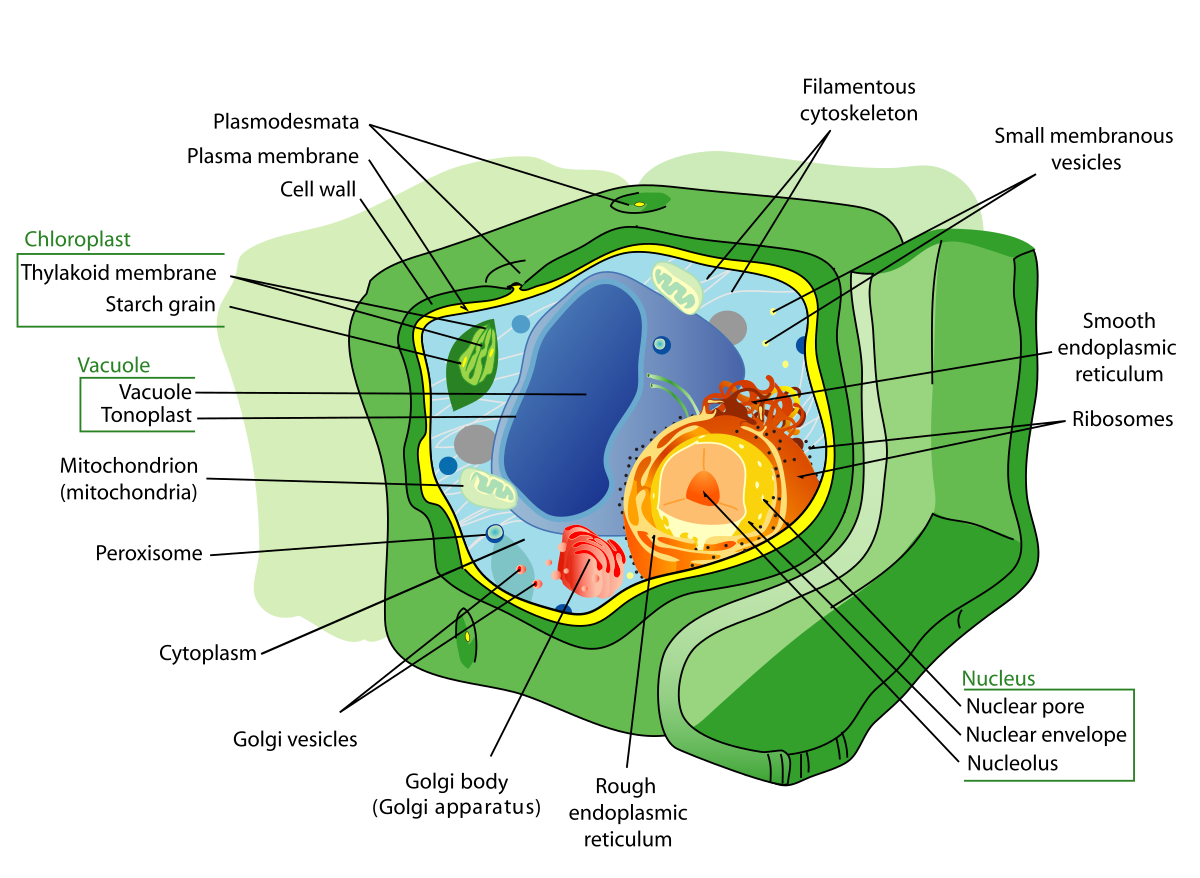
Plant Cell Wikipedia
To perform photosynthesis plants need three things.
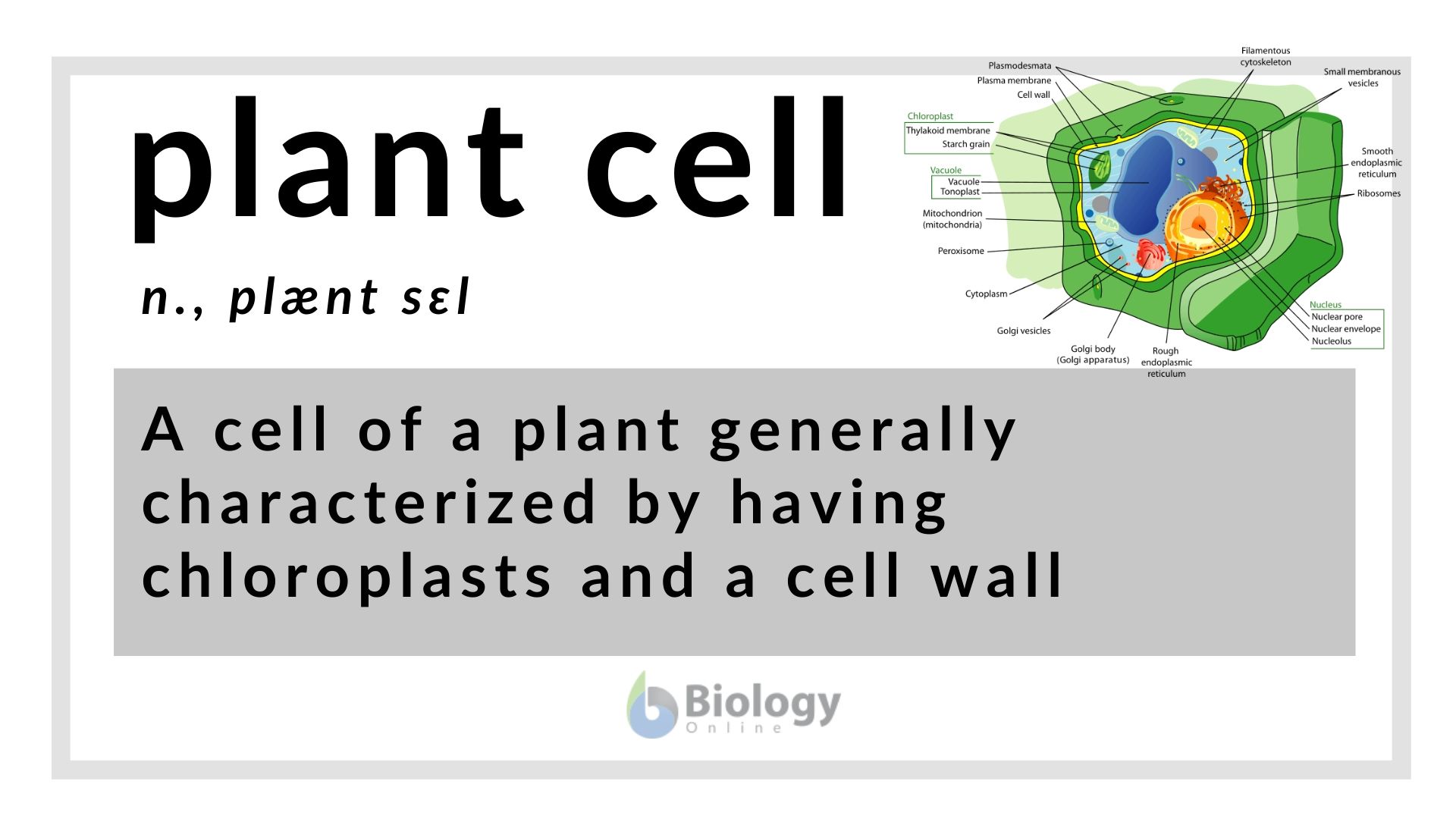
What is a plant cell's source of energy for photosynthesis. Energy from ATP and electrons from NADPH are used to reduce CO2 and build sugars which are the ultimate energy storage directly arising from photosynthesis. Why do plants need to make their own food. The importance of photosynthesis in our life is the oxygen it produces.
Deciding which molecule is used by cells as an energy source depends on whether the question is about fuels or about nutrients. Light a source of energy These are the things that plants make by photosynthesis. Green plants and trees use photosynthesis to make food from sunlight carbon dioxide and water in the atmosphere.
What is the source of all energy on Earth. Since the energy needed to make 32 000151720 -- 000154760 the complex molecules produced by photosynthesis 33 comes free from space this process is regarded as the ultimate source of energy 35 000200920 -- 000203080 for almost all life on Earth. Green leaves are the major food-producing organs of plants.
These are the things that plants need for photosynthesis. Water is absorbed by the root hair cells and is transported to the leaf by the xylem vessels. This organelle takes food and turns it into ENERGY for plant and animal cells.
Cells Photosynthesis Cellular Respiration DRAFT. During the process of photosynthesis cells use carbon dioxide and energy from the sun to make sugar and oxygen molecules. The source of energy for photosynthesis is actually Photon which is considered as a particle of light containing a high amount of energy got from D-D nuclear reaction occurred in the Sun.
ATPplays an important role in this process as it promotes plant. Chemical energy is stored in the bonds that hold the molecule together. By taking in water H2O through the roots carbon dioxide CO2 from the air and light energy from the Sun plants can perform photosynthesis to make glucose sugars and oxygen O2.
These bacteria use the energy stored in inorganic molecules to make sugars. The ultimate source of energy for photosynthesis is sunlight. ATPplays an important role in this process as it promotes plant.
All cells need energy to stay alive. The ultimate source of energy for all living things is the sun. In this process carbon dioxide.
Photosynthesis produces oxygen and respiration does not. The sugar molecules are the basis for more complex molecules made by photosynthetic cell. Plants convert the light energy into chemical energy in the form of glucose which they can then use as a source of energy in their.
Plants require and carbon dioxide to make food. Animals obtain energy by eating plants. Photoautotrophs use light as a source of energy to synthesize organic compounds.
Sunlight provides the energy needed for photosynthesis to take place. Photosynthesis utilizes light as an energy source for plant chloroplasts to synthesize carbohydrates from water and CO 2 molecules. It is their primary source of energy.
The small structures in cells that carry out this energy-storing process are known as mitochondria. Photosynthesis is a series of chemical reactions that convert light energy water and carbon dioxide into the food-energy molecule glucose and give off oxygen. Some types of bacteria live deep in the ocean where sunlight cannot reach.
The only form of energy a cell can use is a molecule called adenosine triphosphate ATP. Cells use oxygen and simple sugars to create this molecule the main source of their energy. Cells make this molecule to power almost all of their activities.
Photosynthesis utilizes light as an energy source for plant chloroplasts to synthesize carbohydrates from water and CO2 molecules. Without photosynthesis there would be little to no oxygen on the planet. Glucose a six-carbon sugar or carbohydrate is used by all cells in nature to produce ATP or adenosine triphosphate the energy currency of all cells.
Photosynthesis is a process used by plants and other organisms to convert light energy into chemical energy that through cellular respiration can later be released to fuel the organisms metabolic activitiesThis chemical energy is stored in carbohydrate molecules such as sugars which are synthesized from carbon dioxide and water hence the name photosynthesis from the Greek phōs. In each sugar molecule created there is a little bit of the energy from the Sun which the plant can either use or store for later. This process is vital for life on earth as it provides the oxygen on which all other life depends.
Carbon dioxide water and sunlight. Photosynthesis is a chemical process through which plants some bacteria and algae produce glucose and oxygen from carbon dioxide and water using only light as a source of energy.

What Is A Plant Cell S Source Of Energy For Photosynthesis Brainly Com

What Is A Plant Cell S Source Of Energy For Photosynthesis Sunlight Chloroplasts Protein Glucose Brainly Com
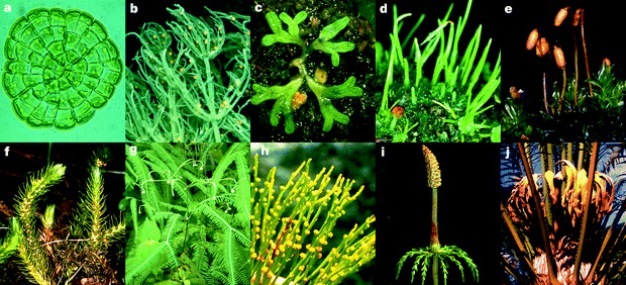
Photosynthesis Chloroplast Learn Science At Scitable

The Structure Of A Chloroplast And Its Location Within A Plant Cell Download Scientific Diagram

Kjwm0mq73nw5im